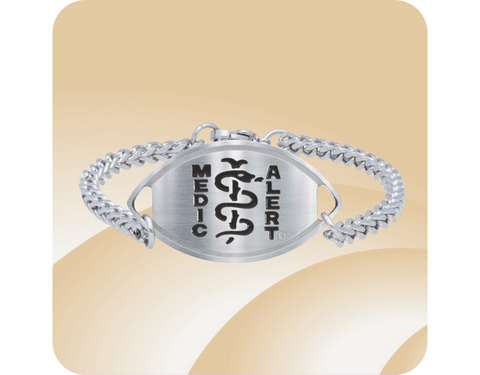
Bracelets
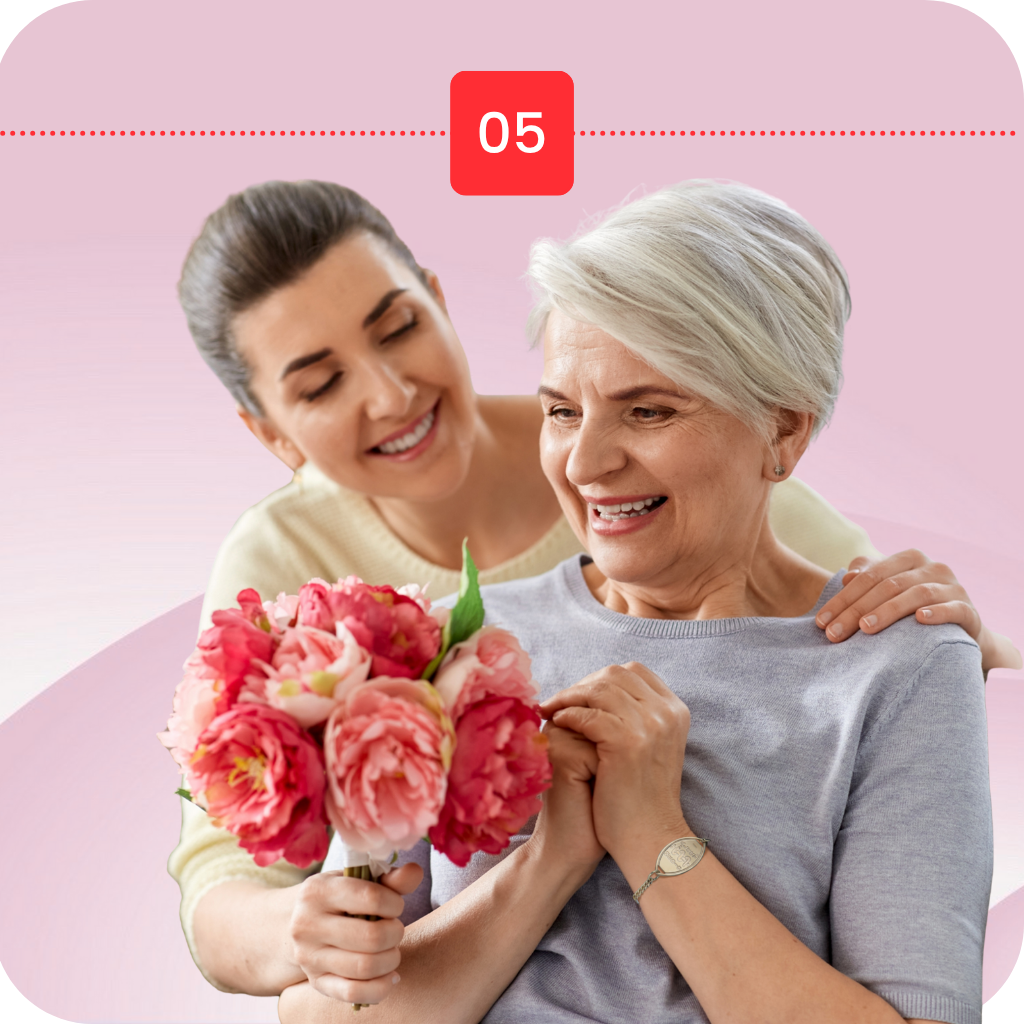
Worn on the wrist, the first place responders check. Available in many styles and materials, comfortable for everyday wear.

This is where your medical ID comes in.

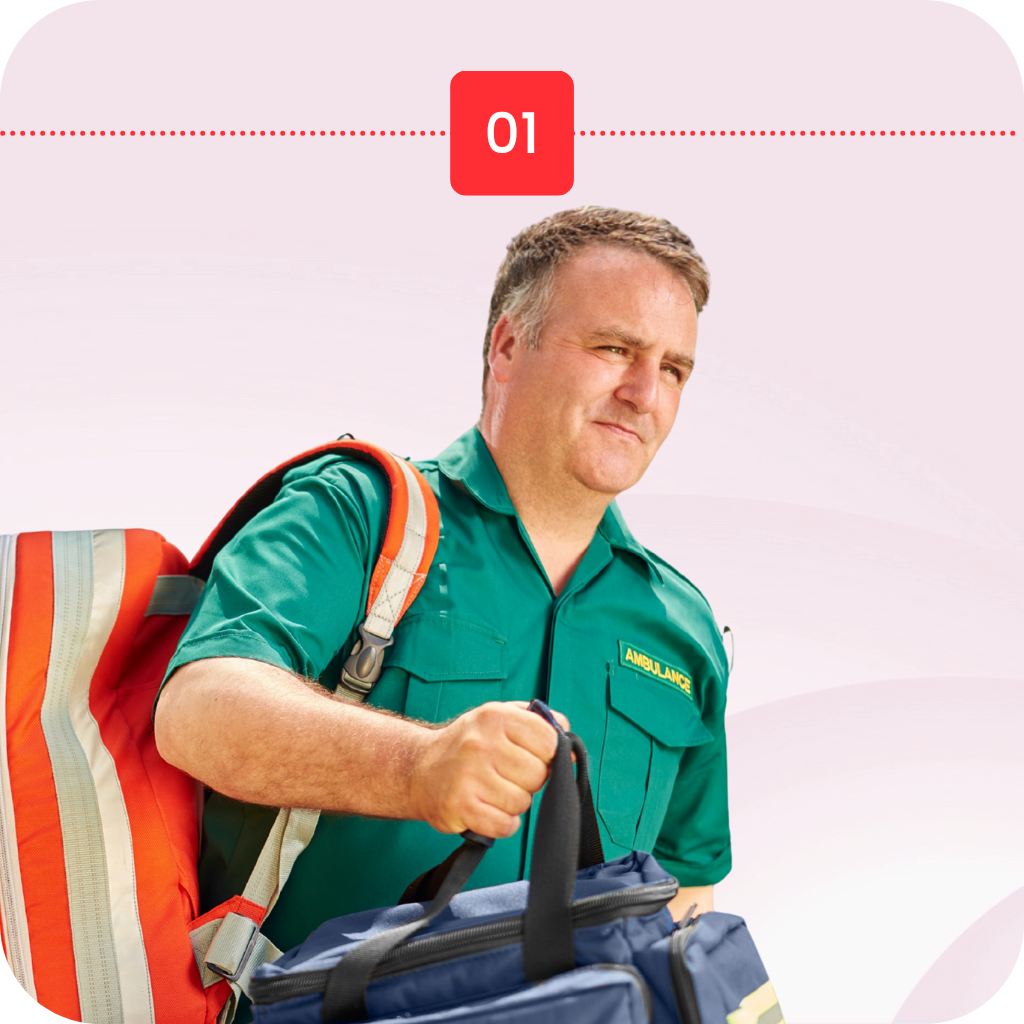
Quick identification allows paramedics or bystanders to give glucose or glucagon immediately, preventing seizures, coma, or brain injury.
If you’re unable to speak, your ID “speaks” for you, sharing essential details about your condition and medication so you get the right treatment quickly
Many people with diabetes take more than one medication or type of insulin, some of which can interact with emergency drugs. A medical ID helps clinicians avoid unsafe combinations and adjust doses correctly from the start.


Whether at home, work, or travelling abroad, a visible ID ensures the right help is given even if no one familiar is present. In most countries, first responders are trained to look for diabetes alert bracelets or necklaces before taking further action.
For parents, partners, and caregivers, knowing a loved one wears identification brings reassurance that emergency teams will understand what’s wrong and how to help straight away.


NHS data shows that many hypoglycaemia-related admissions could be prevented through faster recognition and treatment in the community. Wearing a medical ID supports this by helping responders diagnose and triage more efficiently.
Ready to choose a Medical ID?

Worn on the wrist, the first place responders check. Available in many styles and materials, comfortable for everyday wear.


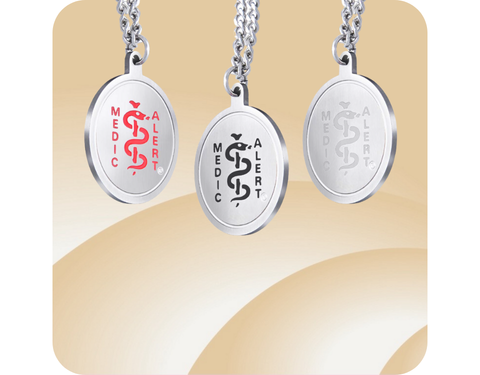
An alternative to wristwear, engraved with key details and easily recognised by paramedics.
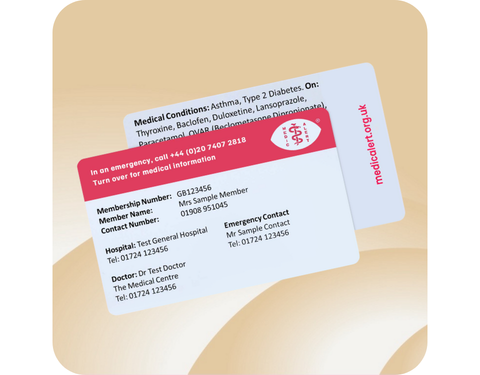
Credit-card sized for wallets or bags, listing essential details and emergency contacts. A handy backup to jewellery.
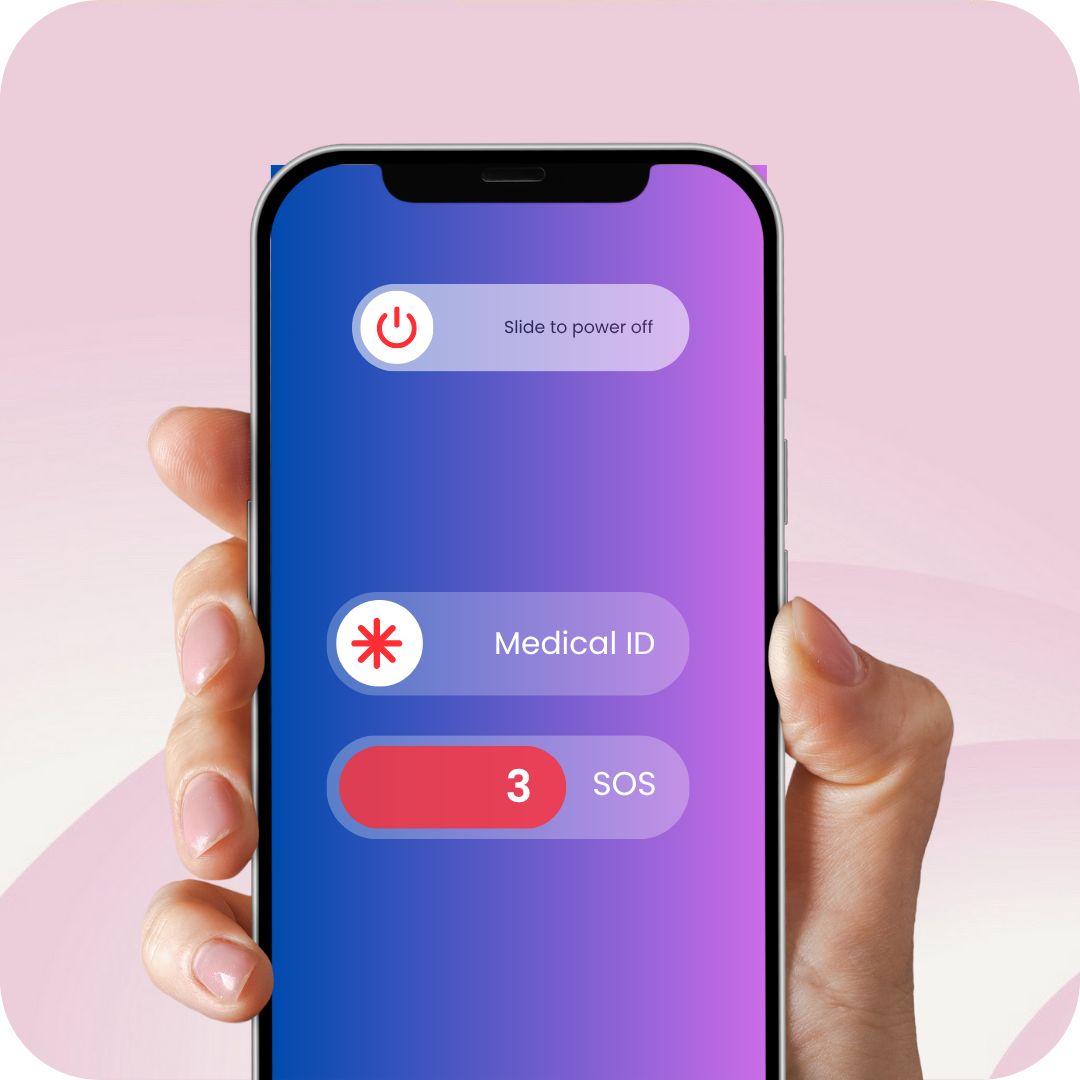
Displays key medical details on your phone’s lock screen. A useful backup, but not a substitute for a visible ID.

Not all medical IDs are equal
Why choose MedicAlert
Yes. Even with good control, sudden changes in blood sugar can happen — stress, illness, or missed meals can trigger an emergency without warning.
A visible medical ID ensures responders know what’s happening instantly, even if you can’t explain it yourself.
Phone-based IDs can be useful, but phones can be locked, flat, or damaged in an emergency.
A physical ID is visible immediately, it’s the first thing paramedics are trained to look for when someone can’t speak.
Many people live with more than one condition, such as heart disease, asthma, epilepsy, or allergies — and take multiple medications.
A medical ID can list key information about all of these safely in one place, helping responders avoid drug interactions or missed conditions during treatment.
No. It’s an additional safeguard, not a replacement for medical notes, apps, or emergency cards.
A visible ID ensures responders immediately know that medical information exists — even before they reach your phone, wallet, or care plan.
Yes, UK ambulance and emergency department protocols train staff to look for medical identification on the wrist or neck of any unresponsive patient.
However, the level of detail available depends on the type of ID. Simple engravings provide limited information, while some systems link to more comprehensive, clinically verified records.

Many simply display an engraving, but MedicAlert connects that engraving to a detailed, nurse-checked medical record that can be accessed by healthcare professionals 24 hours a day, anywhere in the world.